Flora Rikin: Capturing Culture, Light, and the Unspoken

Mahacaraka® Press
At first glance, Flora Rikin might seem like an unlikely voice in the world of visual storytelling, a grandmother, supermarket owner, and photographer who began her artistic pursuit later in life. But behind her quiet demeanour lies a remarkable journey marked by curiosity, resilience, and deep emotional insight. From the icy plains of Mongolia to the vibrant streets of Cuba, Flora doesn’t just capture images, she listens to places and lets them speak. Her story is not about chasing trends or accolades, but about learning to see with presence and humility. And through that lens, she invites us to reflect on what it truly means to witness the world.
1. Could you tell us a bit about your background and your day-to-day life?
I’m a mother of two and a proud grandmother of three. I also manage a supermarket in Bandung. Since 2011, however, photography has become a significant part of my life. I’ve always loved travelling and immersing myself in diverse cultures around the world. That curiosity naturally led me to explore photography, not just as a technical craft, but as a medium to absorb and express experiences more deeply.
2. What motivated you to pursue photography more seriously at a later stage in life?
It began with a simple love for capturing landscapes. But as I grew older, I felt a stronger urge to communicate something more profound, gratitude, awareness, and presence. The camera became a means of dialogue, not just with myself, but also with God, nature, and fellow human beings. It turned into a tool for recording my journey, sharpening my sensitivity, and offering a deeply personal form of expression. I also cherish the connections photography has enabled with people across the world who might otherwise have remained strangers.
3. After more than a decade of personal, immersive photography, what have you discovered about yourself?
I’ve come to see sensitivity as a strength. In every pause and frame, I recognise my own vulnerability, yet also my resilience and desire to keep learning. I’ve realised that I tend to be a perfectionist and easily bored, which makes photography the perfect space to explore new perspectives, both within myself and in the world around me. The more I strive for perfection, the more disconnected I feel from the work itself. That’s when I began letting go of idealism, allowing subjects to reveal themselves as they are. I’ve learned to be present and to trust that honest visuals speak louder than manufactured beauty.
4. Many photographers go through formal education or artist residencies. How do you view the role of accolades or titles in artistic validation, especially as someone who follows a personal path?
To me, titles aren’t the final goal, they’re markers of a journey. I hold distinctions such as GMPSA/b, EFIAP/b, AFPSI**, and BPSA, which reflect a long path of learning, experimenting, failing, and growing. These aren’t measures of artistic value, but indicators of discipline and openness to continuous growth.
Within the photography world, FIAP distinctions reflect a photographer’s success in passing rigorous selection in international salons, where acceptance rates are often below 10%. It’s not just about participation, but consistency in creating work that resonates with global juries.
At the same time, I understand that some believe these accolades can become traps, where external validation overshadows creative authenticity. Thought leaders like David duChemin even suggest avoiding overreliance on titles, arguing that true artistic merit lies in creative honesty and presence.
5. Who has most influenced the way you see—not just technically, but in terms of visual thinking?
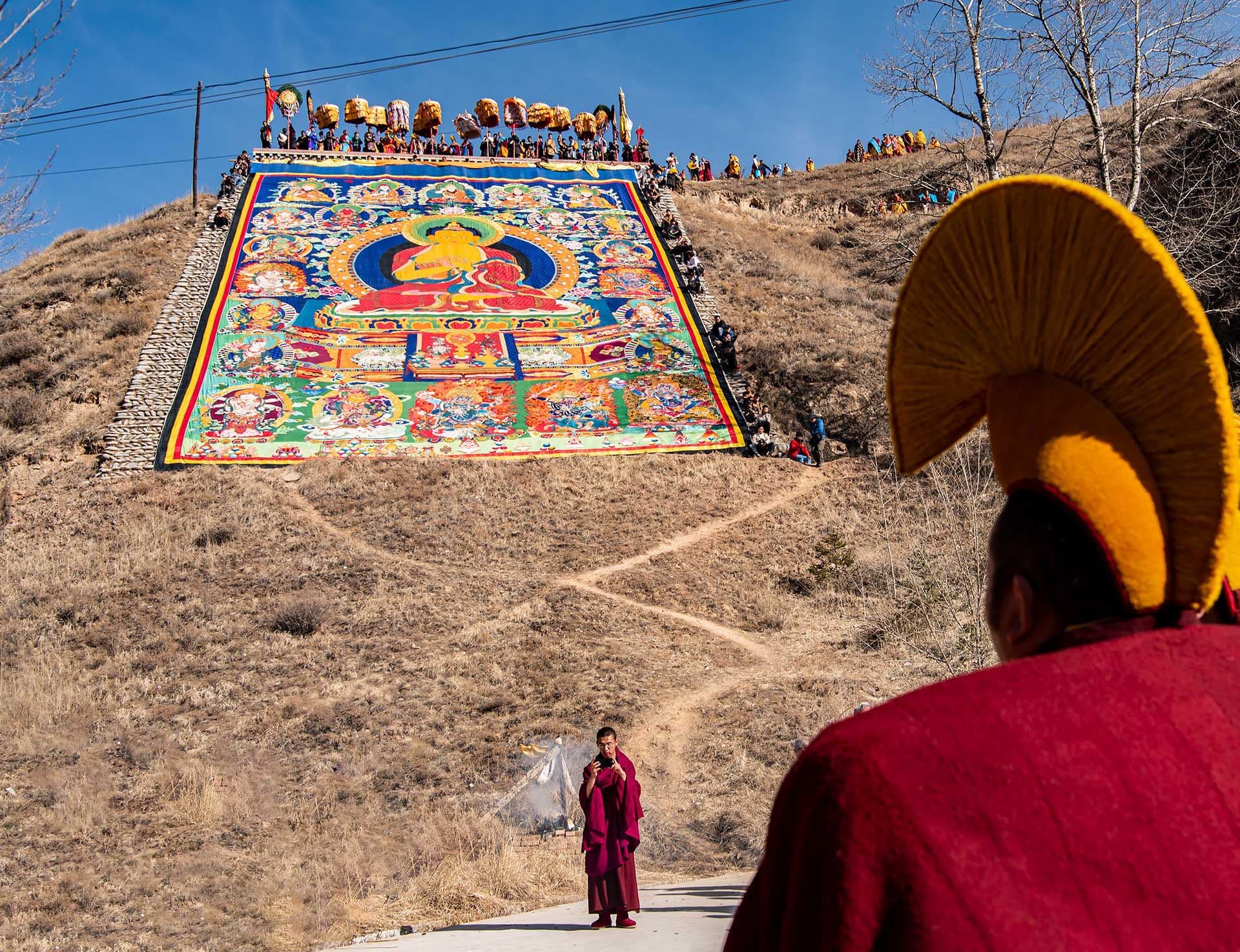
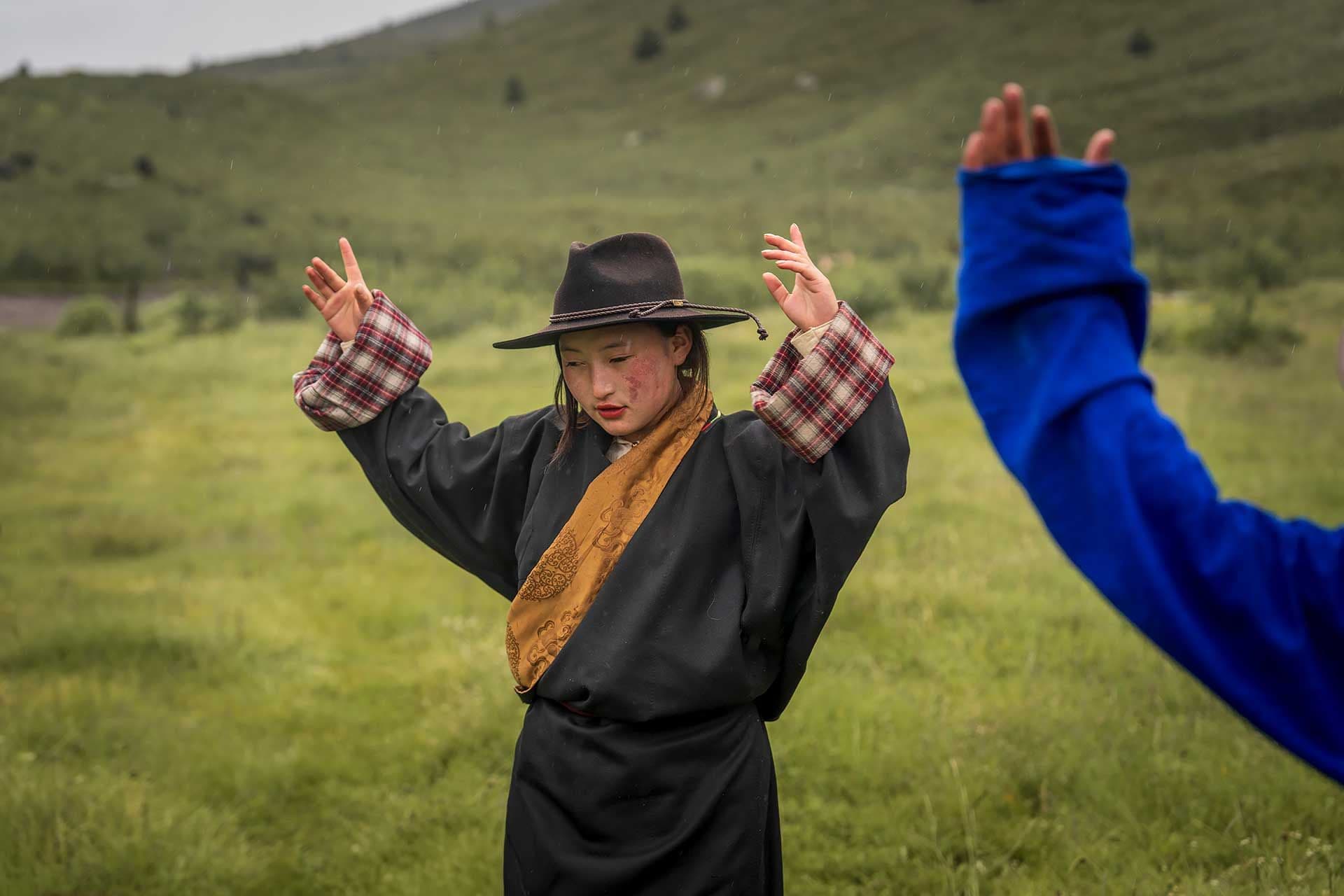
I’ve learned a great deal from Sandy Wijaya, my mentor at Mahacaraka. He taught me how to craft storyboards, build narrative layers, and engage more deeply with each moment. He’s also curated my work from Morocco, Peru, and Ladakh, helping me discover a visual direction that feels truly mine.
Outside Indonesia, I’ve been inspired by Michael Yamashita, who beautifully weaves travel with respectful cultural narratives. I also admire Steve McCurry’s ability to capture silent yet powerful moments, but my own style leans more towards the quiet and contemplative.
6. When you arrive in a new place, what do you look for first—the light, the people, or the unexpected?
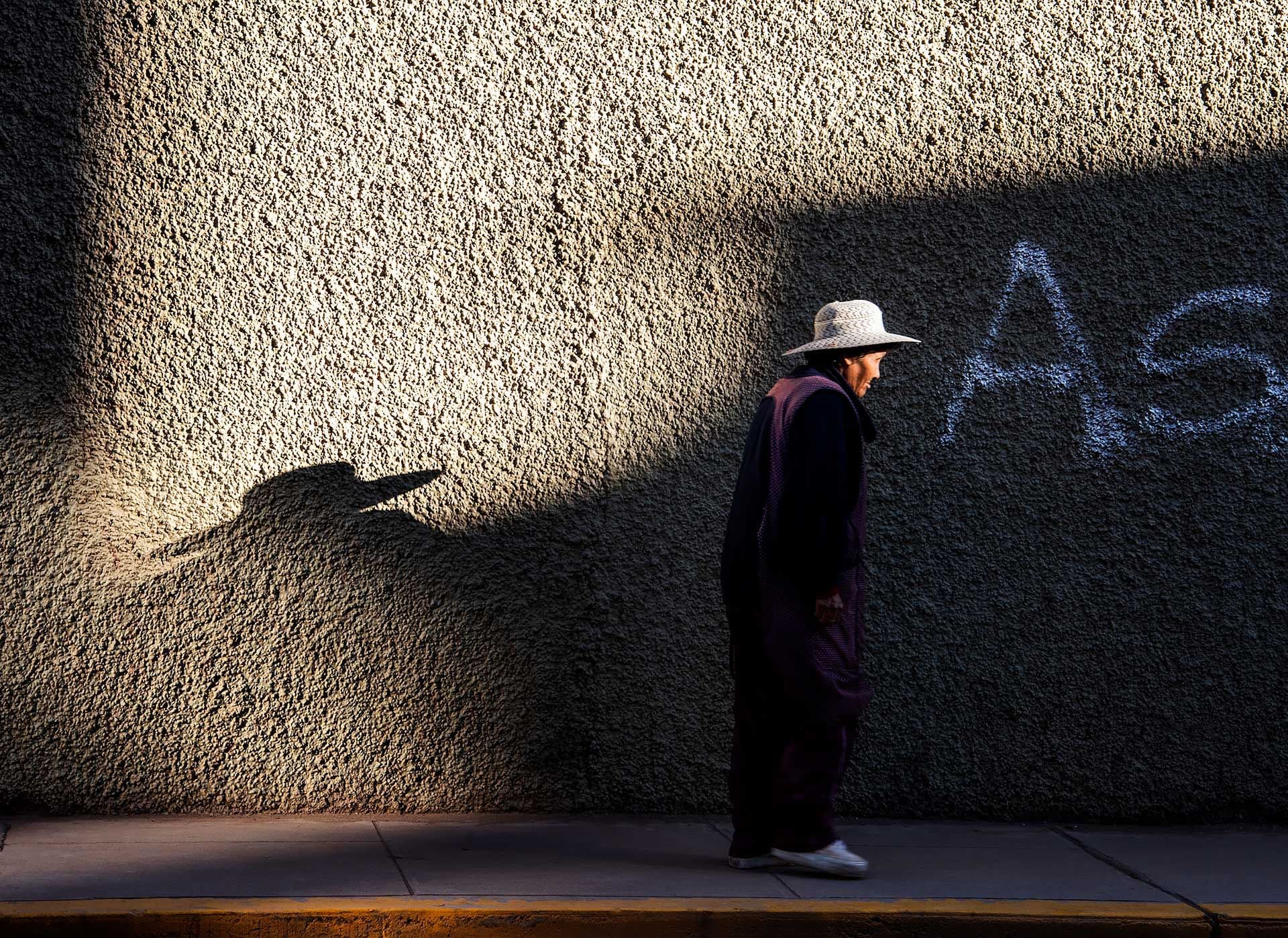
Always the light. I wait for it, because it’s the starting point of emotion. Then I open myself to the unexpected, a subtle movement, a still occurrence, a face emerging from a crowd. Anything can become a story, as long as I’m present enough to notice it.
7. Have you ever felt pressured to create ‘visually beautiful’ work? How do you deal with that pressure?
Yes, especially when I first entered the world of competitions and judgement. But I’ve since learned that “beautiful” doesn’t always mean powerful. What I value most is visual honesty, an image that conveys emotion rather than just aesthetic appeal. When I return to my original intent (gratitude and presence) that pressure gradually fades.
8. Your solo exhibition, ‘Dialektika’, showcased 16 landscape works from 2014 to 2019. Could you share more about the curation process?
‘Dialektika’ marked a pivotal moment for me. It was my first solo show and a chance to voice a more complete visual narrative. The curation, led by Andang Iskandar, encouraged me to see landscapes not just as scenery but as inner spaces.
We spent a long time, very personally, reviewing my archive from 2014 to 2023, selecting works that held emotional weight, silence, and interpretive space, not those that were visually “loud”, but those that invited quiet conversations.
The exhibition was held at Cemara 6 Gallery Jakarta and followed by a workshop at Tegal Temu Space in Bali. Mahacharitra later published the accompanying book. The whole process became a bridge between my inner world and a broader public.
Some said it was a bold step, I even invited speakers like Prof. Bambang Sugiharto to analyse the book from an aesthetic perspective, and Vidhyasuri Utami to speak on “Building Personal Narratives Through Photography.” It was transformative, and it reshaped how I think about creating with depth and integrity.
9. ‘Dialektika’ allows for wide interpretation. What led you to take that approach?
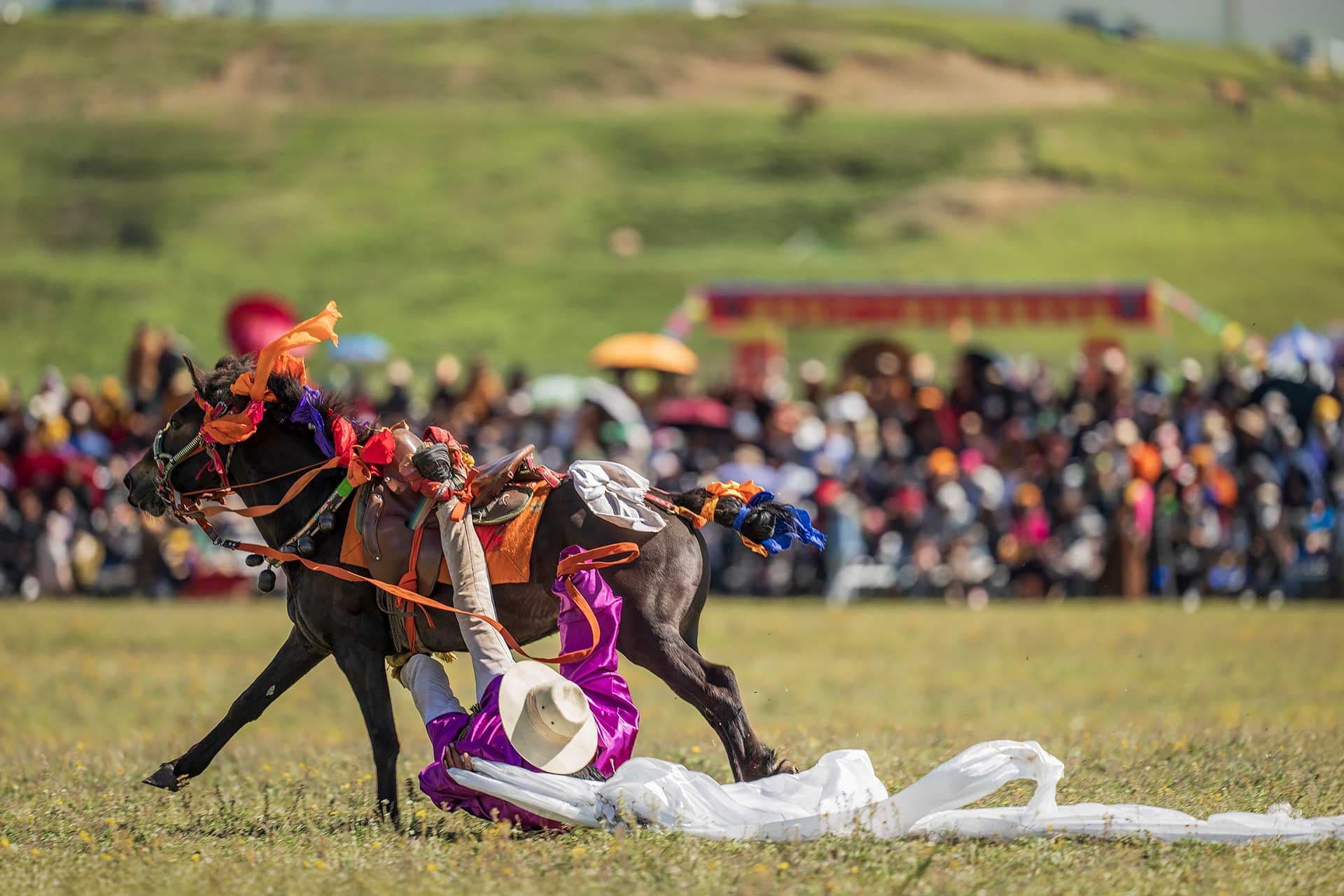
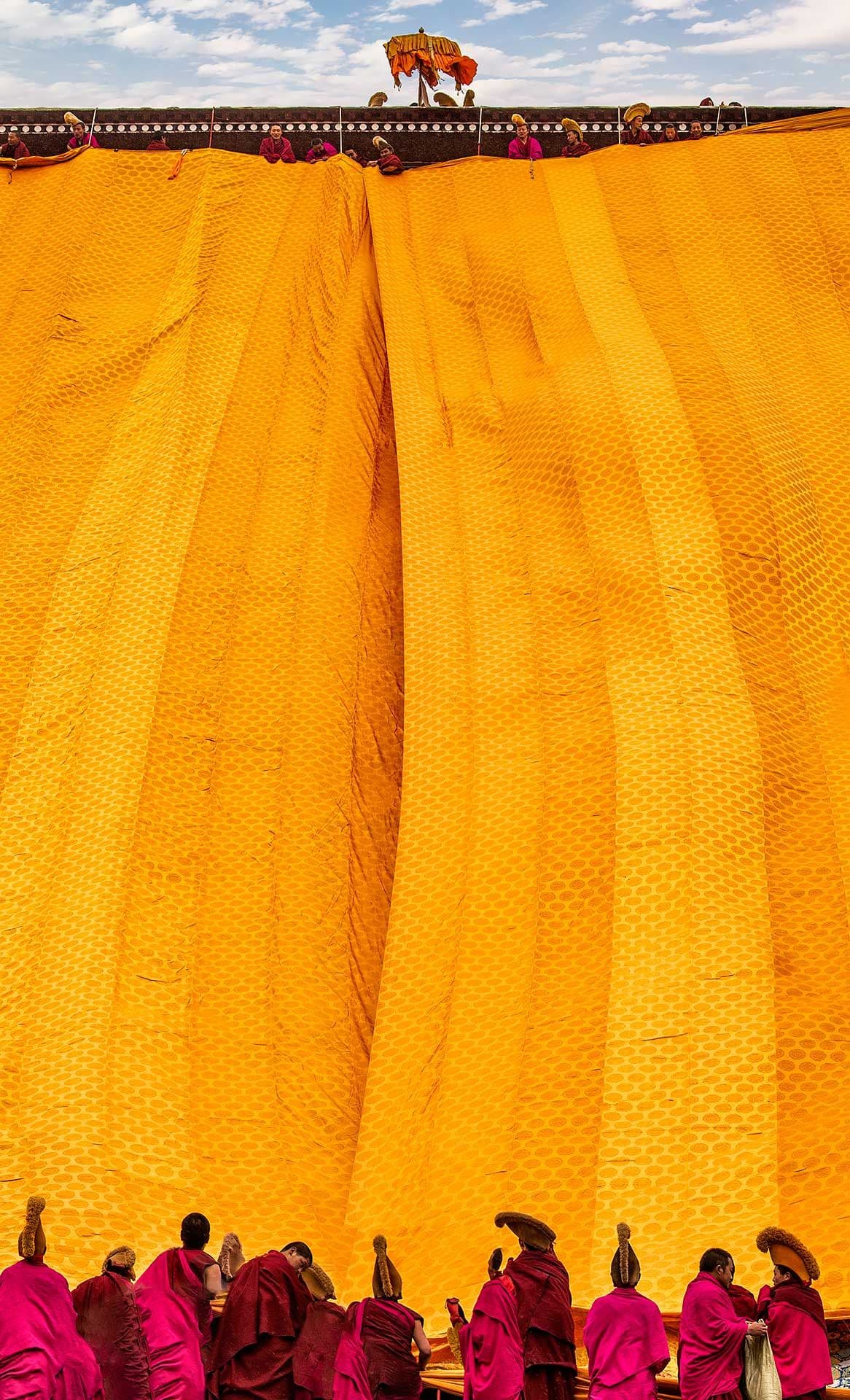
I believe photography is a space of encounter. I don’t want to dictate meaning. I want to invite viewers to discover their own. By leaving room for interpretation, I hope my work becomes a mirror, where each person can meet themselves.
10. How do you define the ‘female gaze’ in the context of your work, particularly in ‘Dialektika’?
To me, the female gaze is rooted in empathy and stillness. It doesn’t demand or conquer, it listens and feels. In ‘Dialektika’, I wasn’t trying to “show” something. I tried to simply be there, recording the breath of a place and a moment with full awareness. That’s perhaps why the images feel soft, yet still speak.
11. During your travels with Mahacaraka, how has the experience influenced your approach to travel photography?
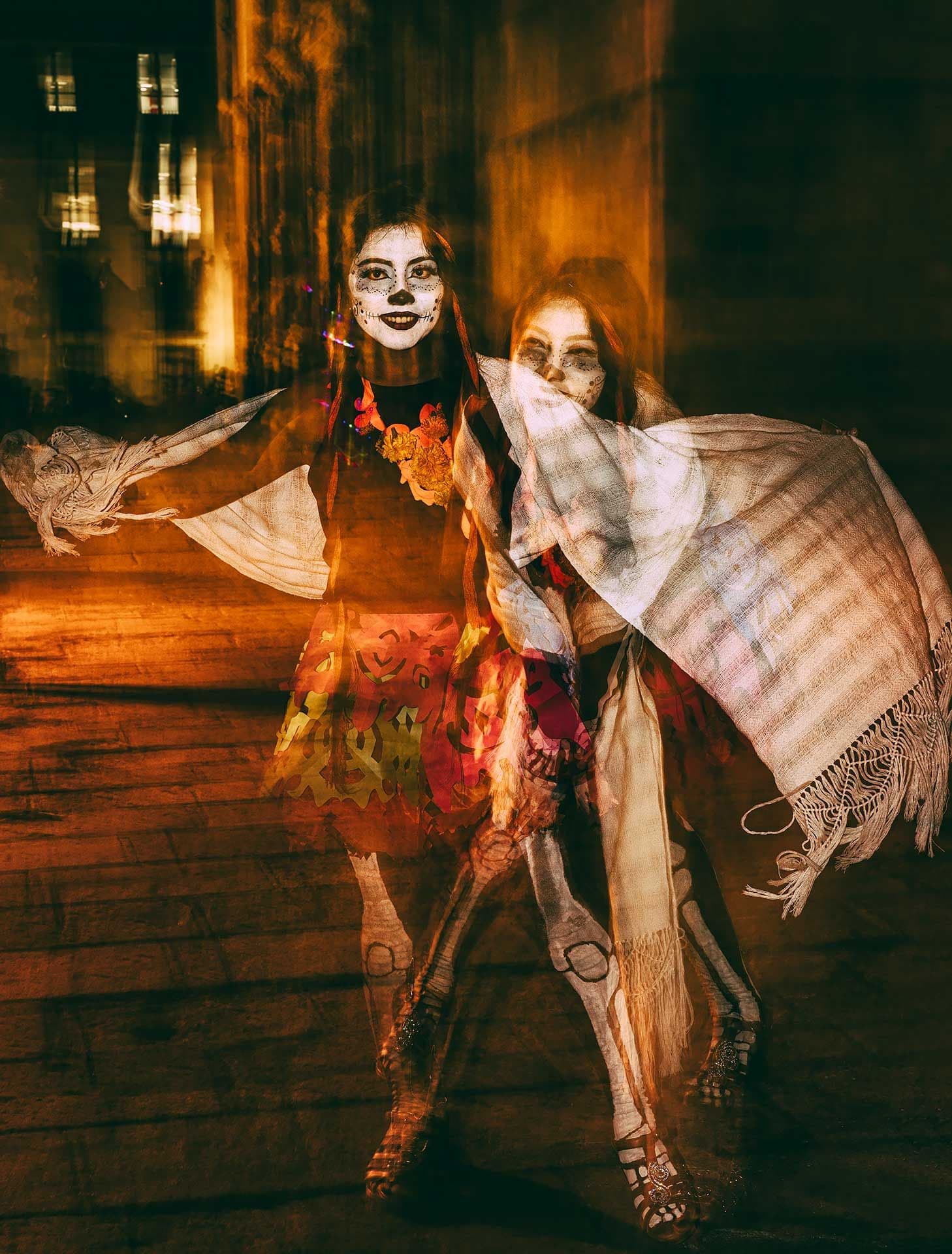
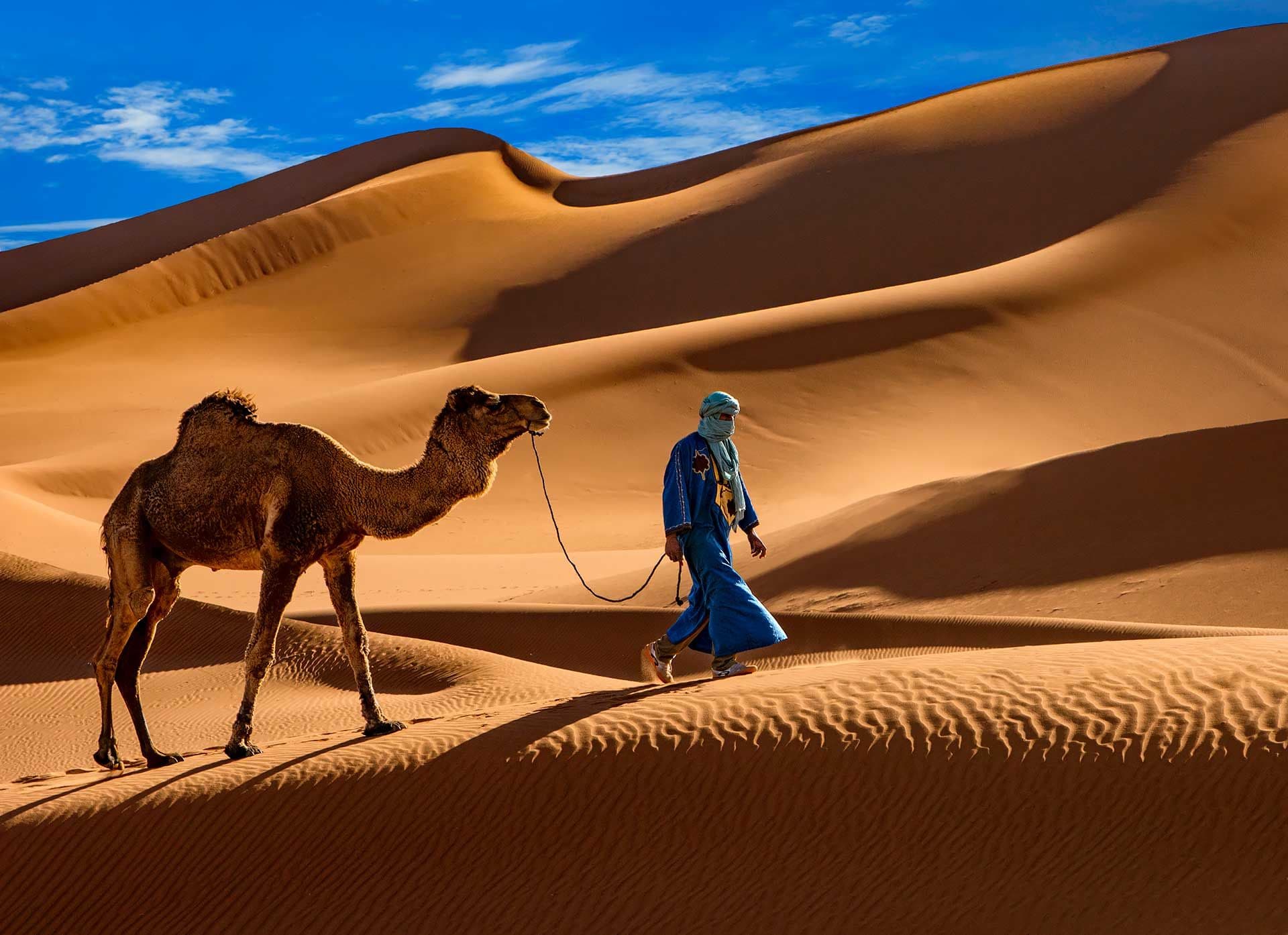
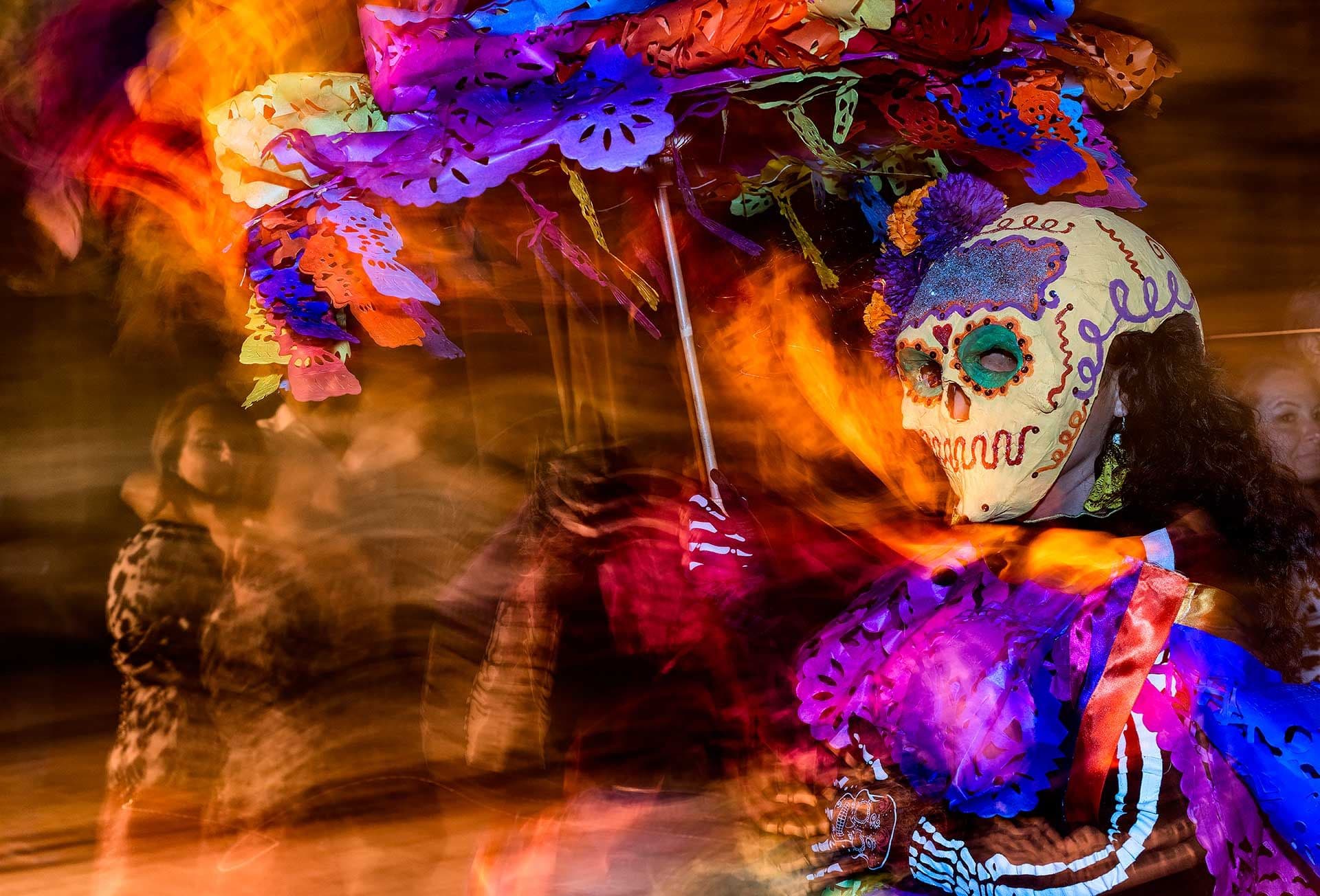
Travelling with Mahacaraka changed me. Morocco was where I first learned street photography, opening up a whole new world. A delayed journey to Mexico for Dia de Muertos taught me to build visual narratives, not just capture landscapes.
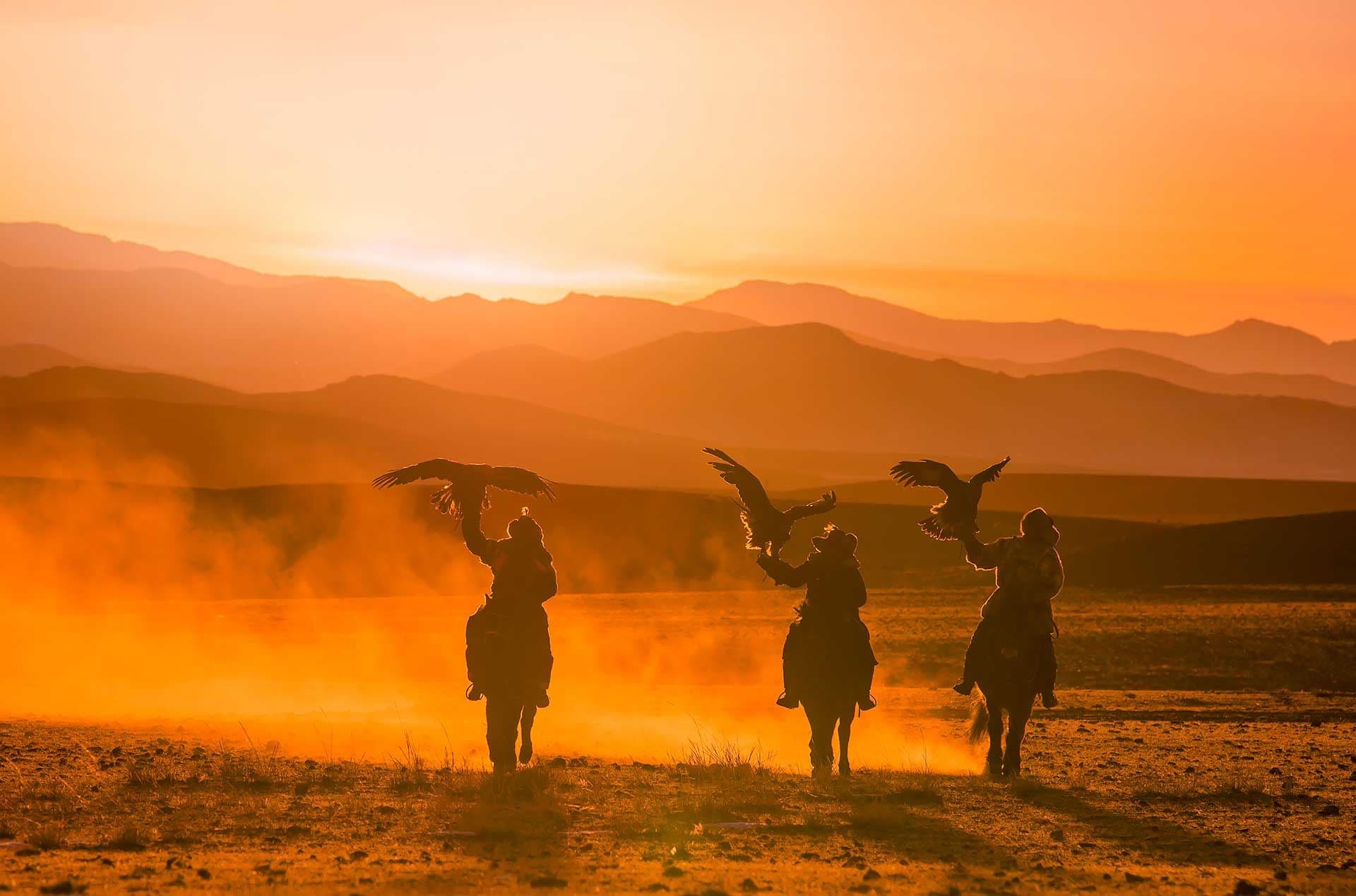
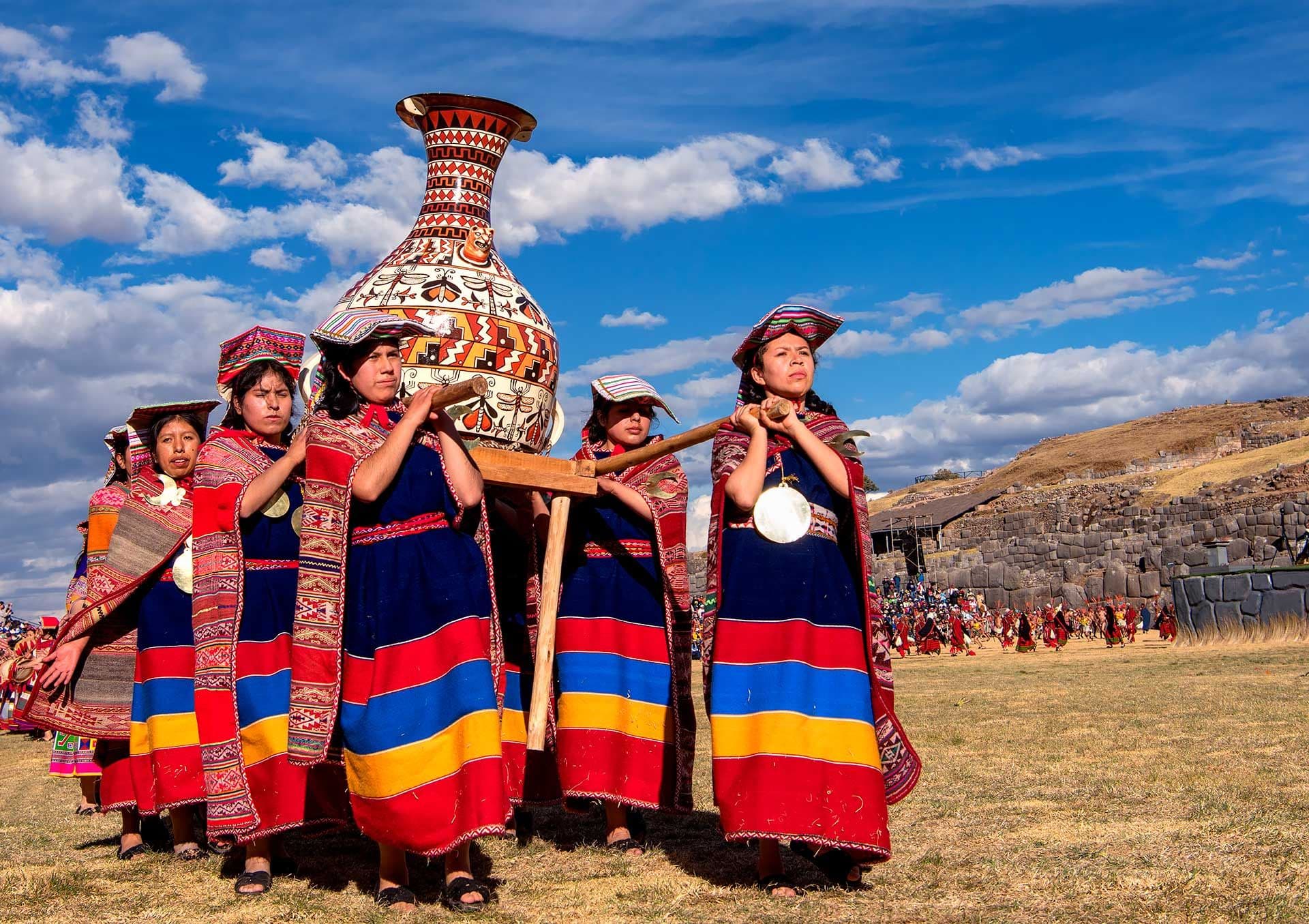
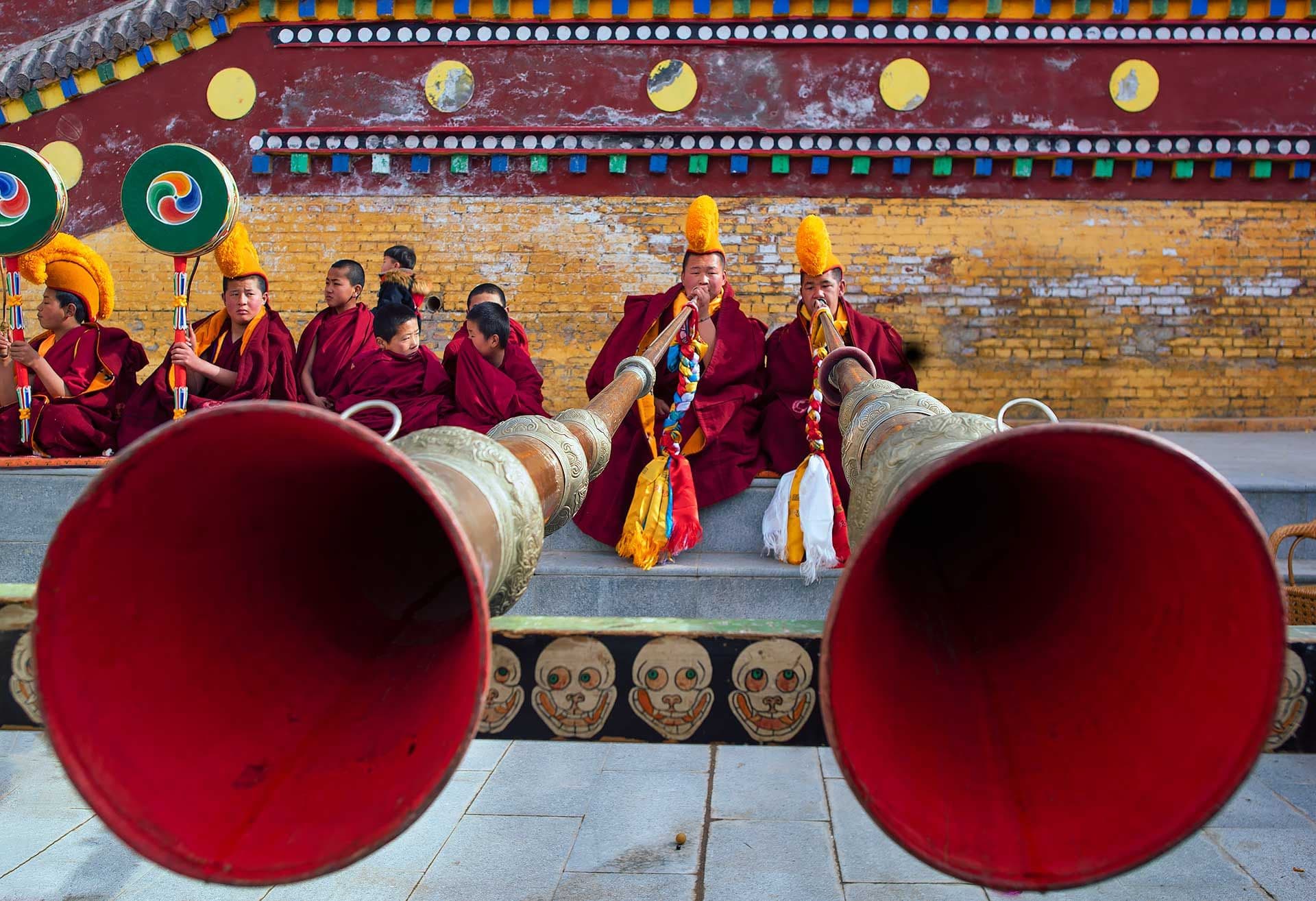
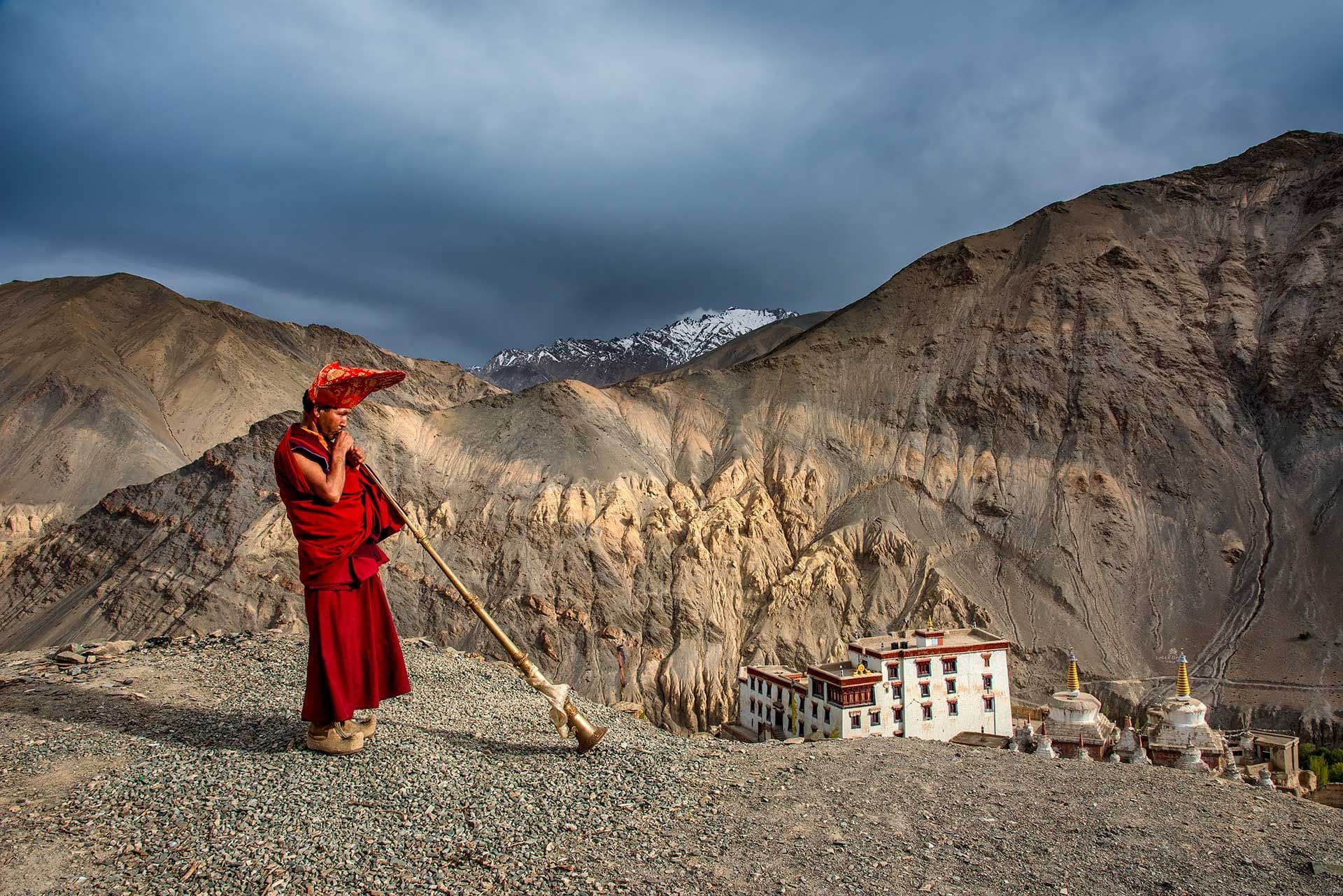
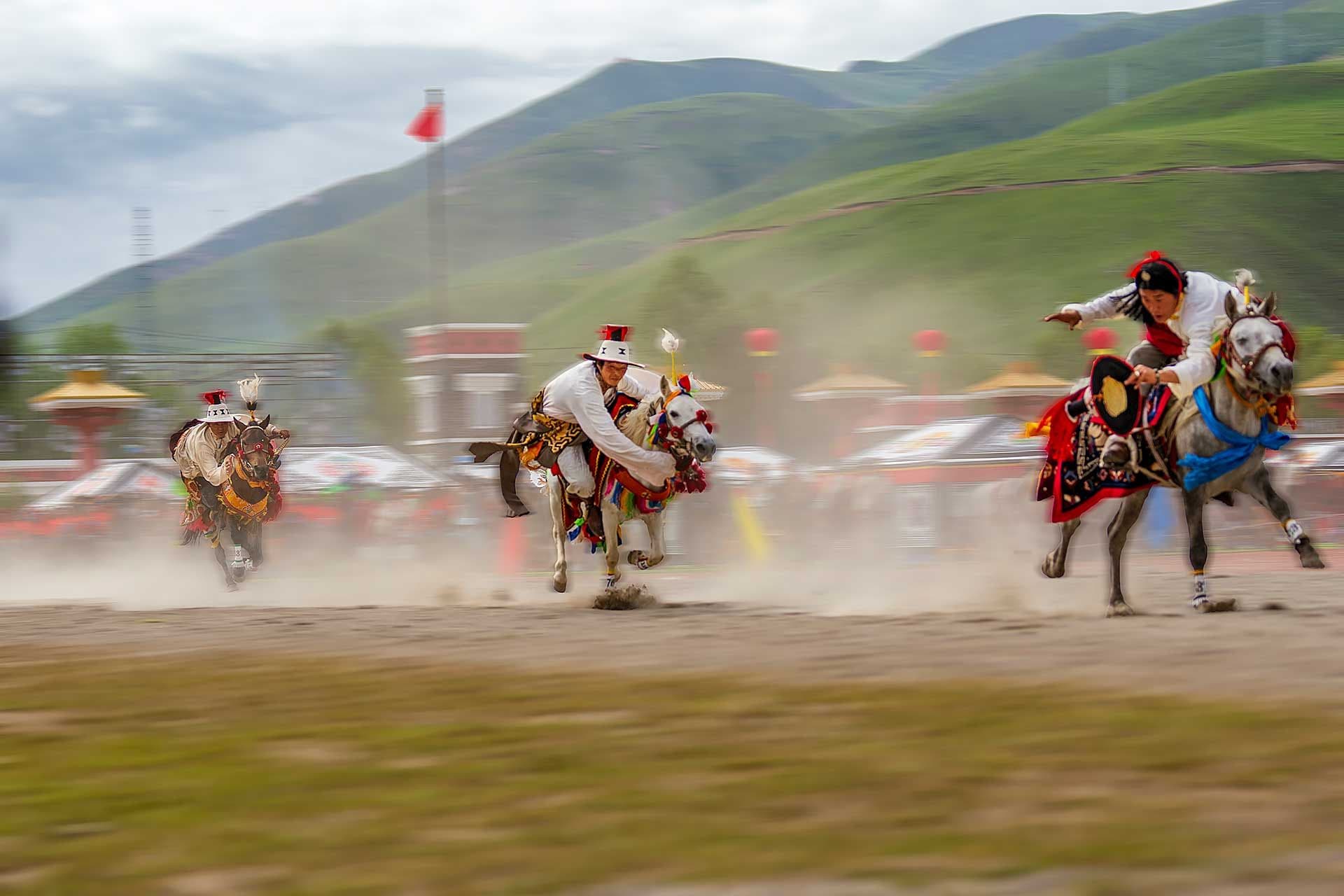
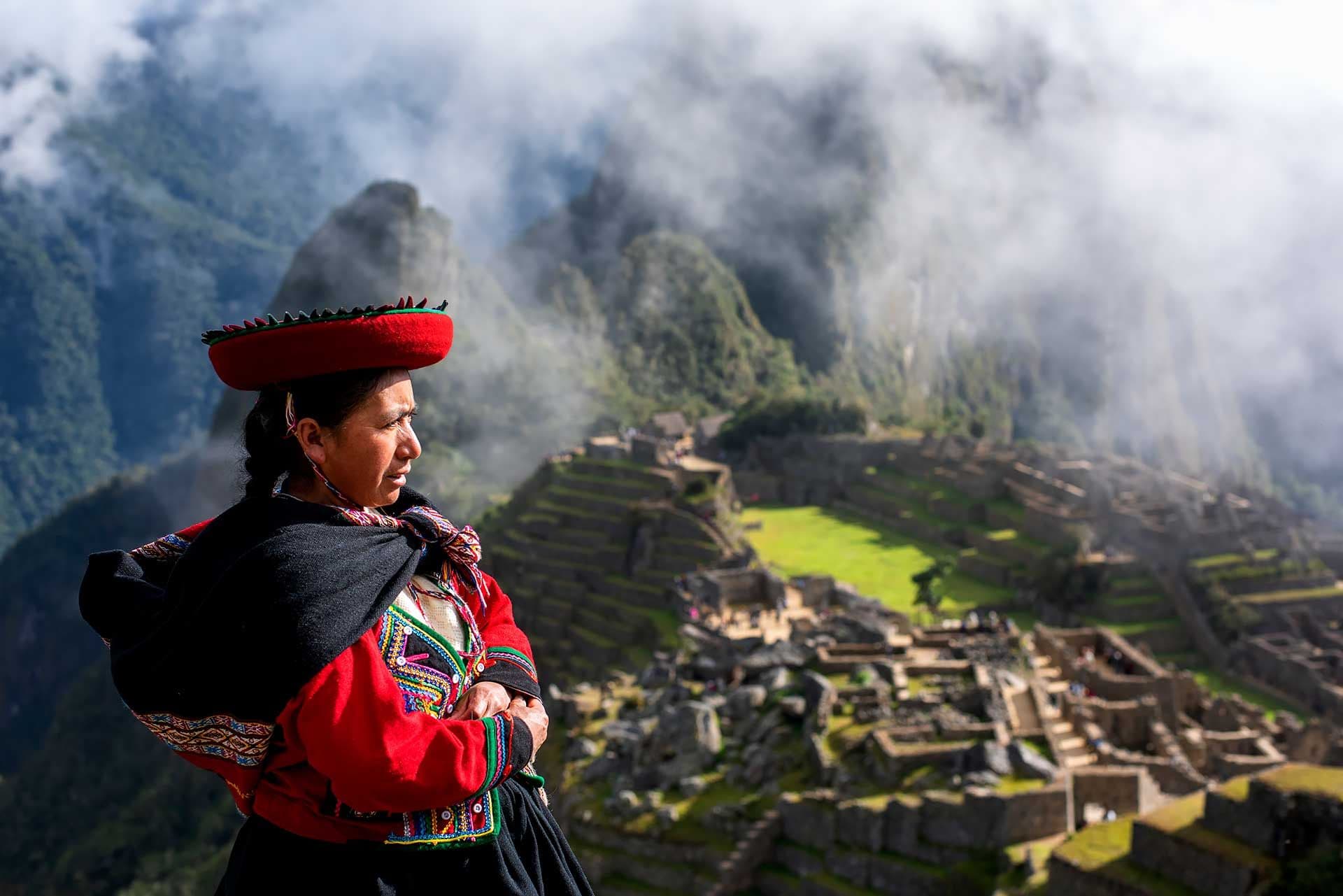
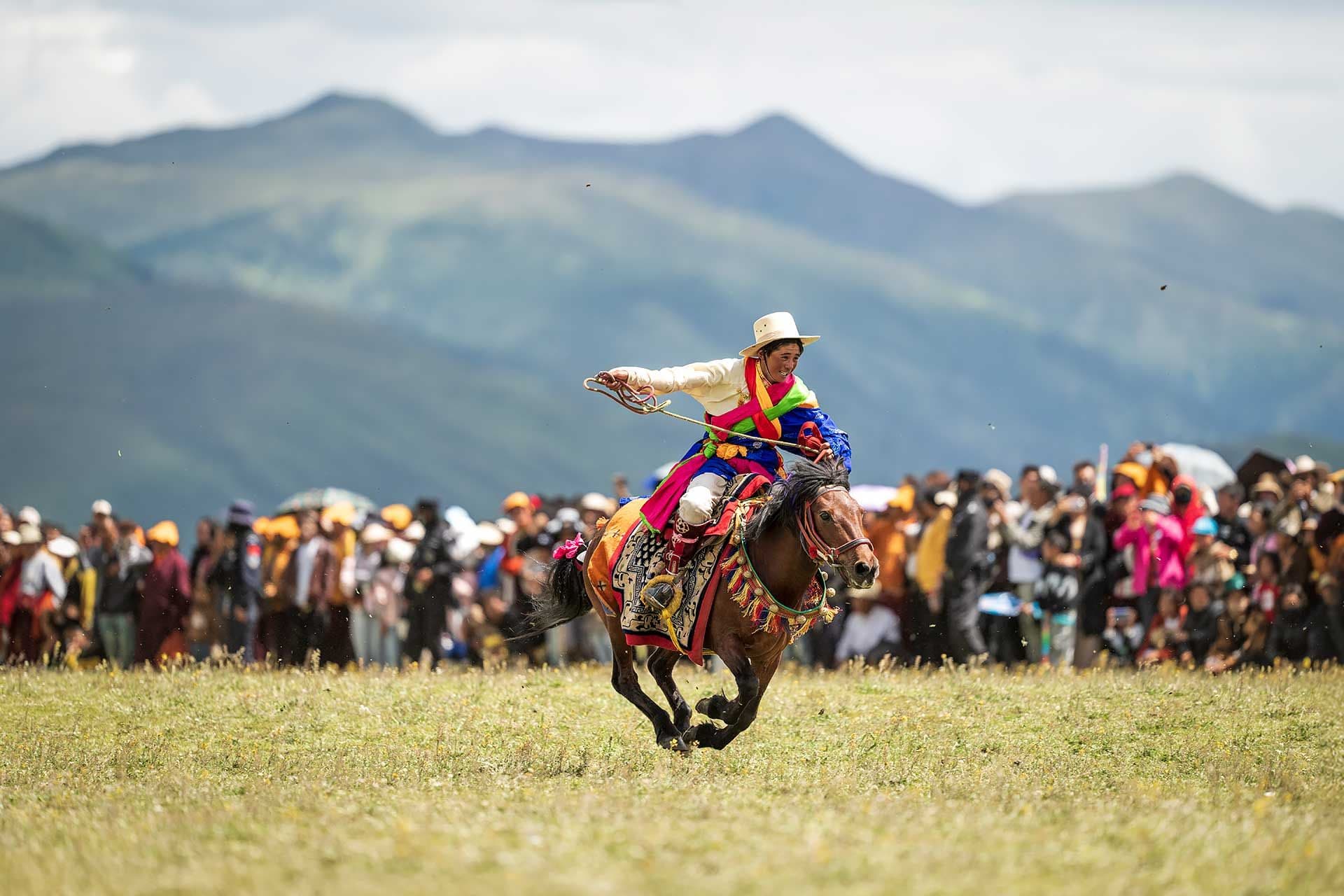
Each trip brought something different. Mongolia revealed human endurance as we stayed in −25°C with the locals. Peru and Mexico were deeply emotional and spiritual, I felt immersed in the cultural heartbeat.
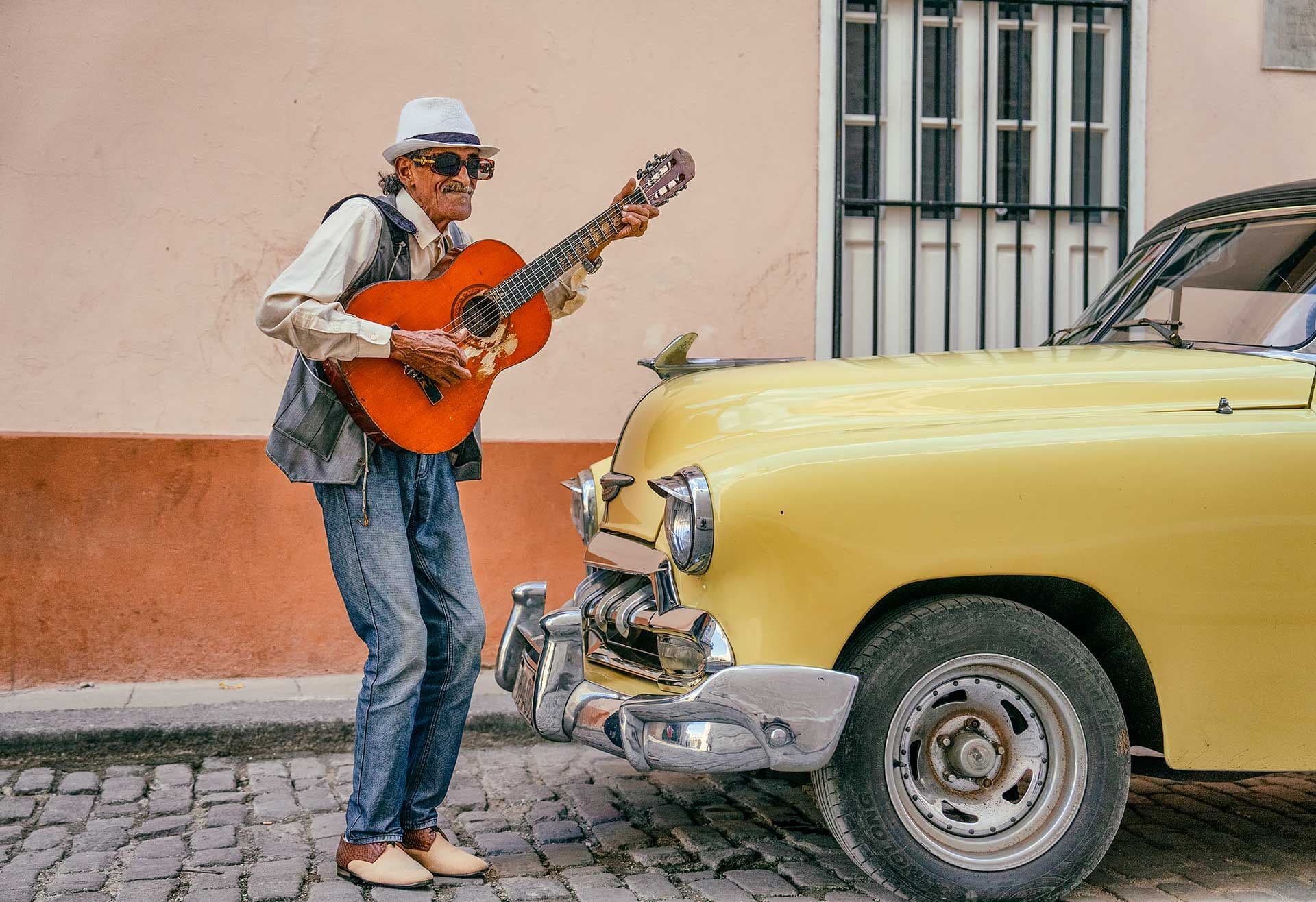
Cuba, with all its contrasts and colours, taught me how to wait for the right moment and photograph not just with the eyes, but with the heart.
Mahacaraka didn’t just take me to beautiful places, it brought me to places I never dreamed of. And in every step, I was given the space to grow, not just as a photographer, but as a human being learning to truly see.
12. From all your travels—both in Indonesia and abroad—which destination has left the deepest impression?
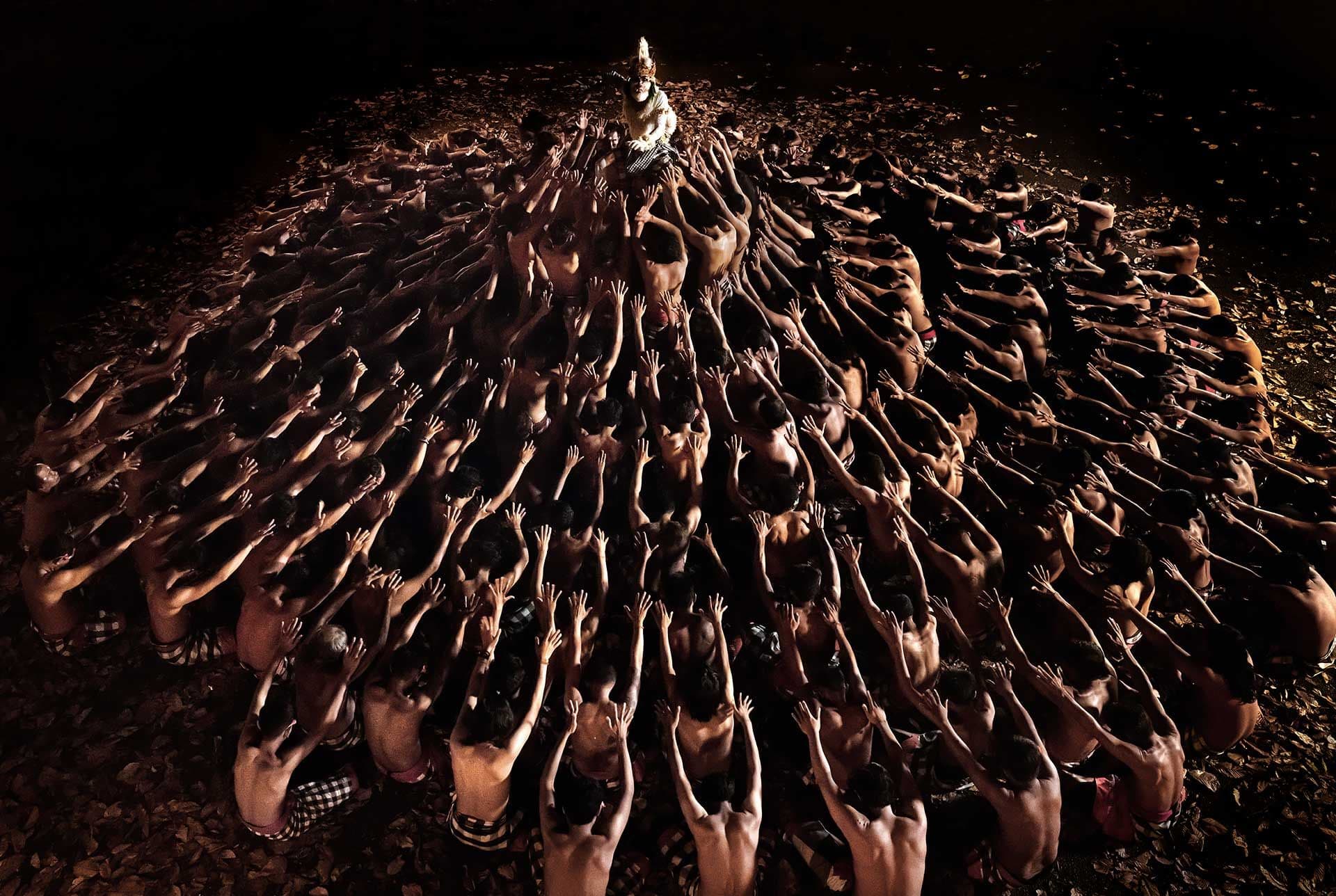
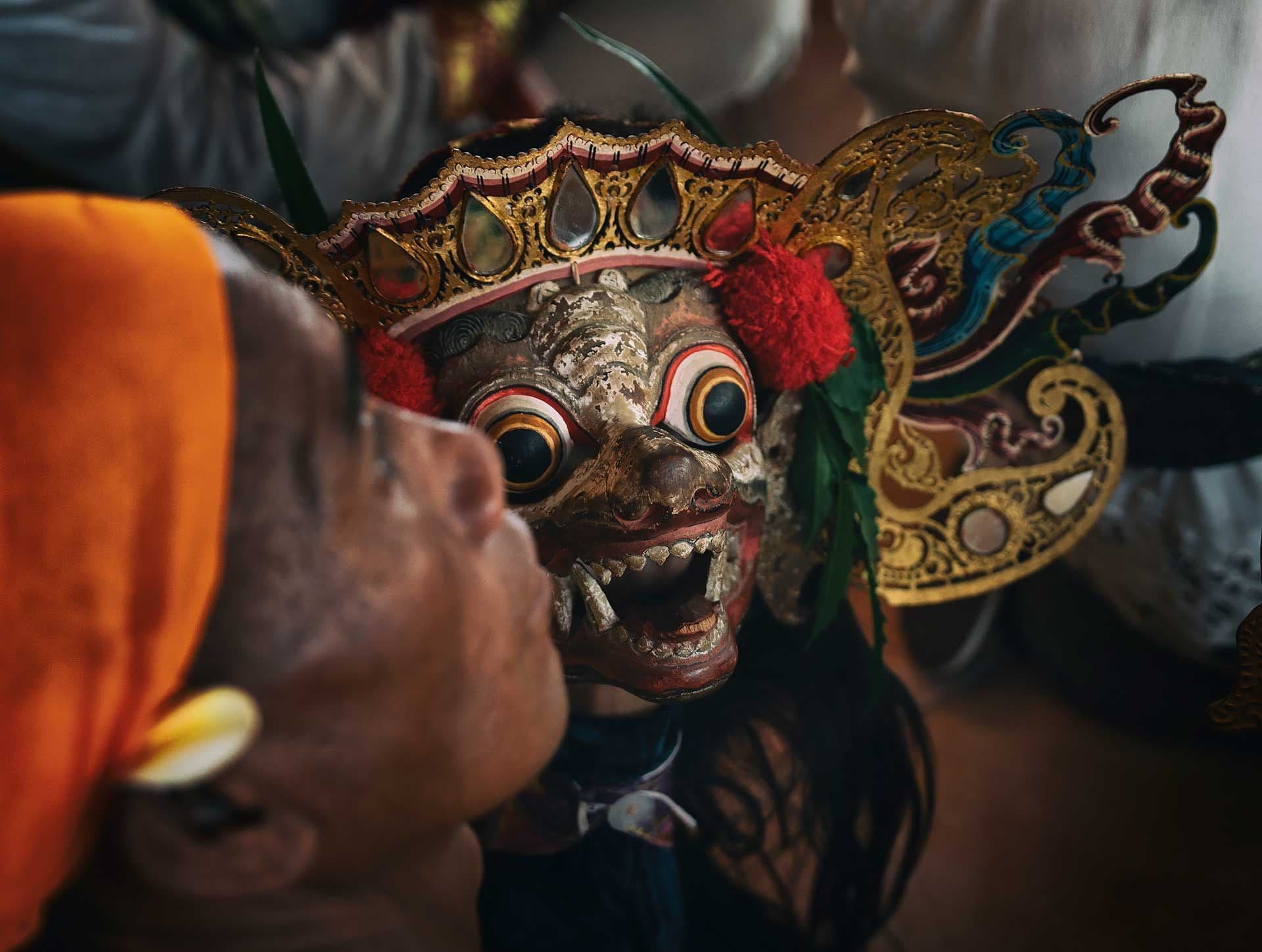
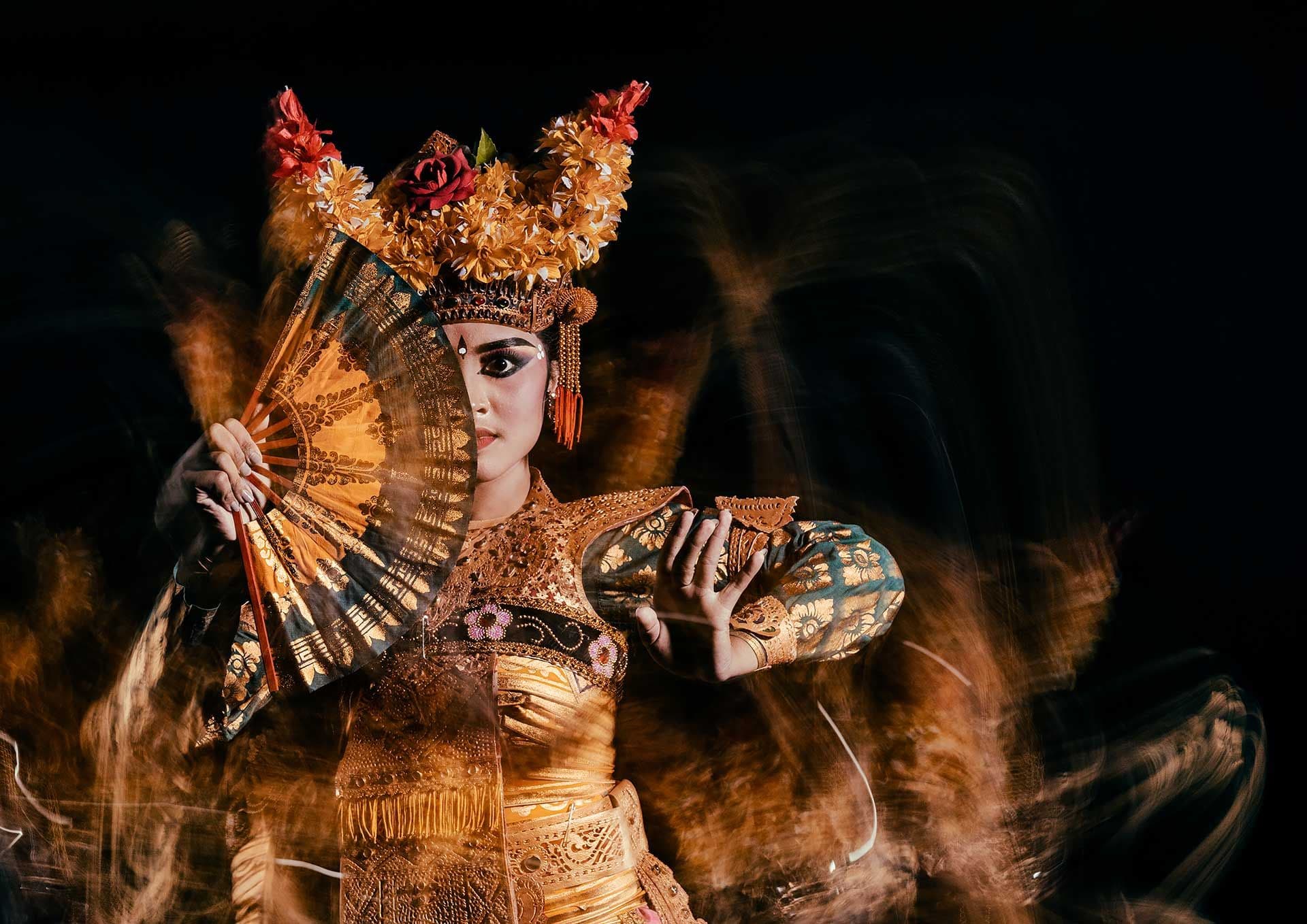
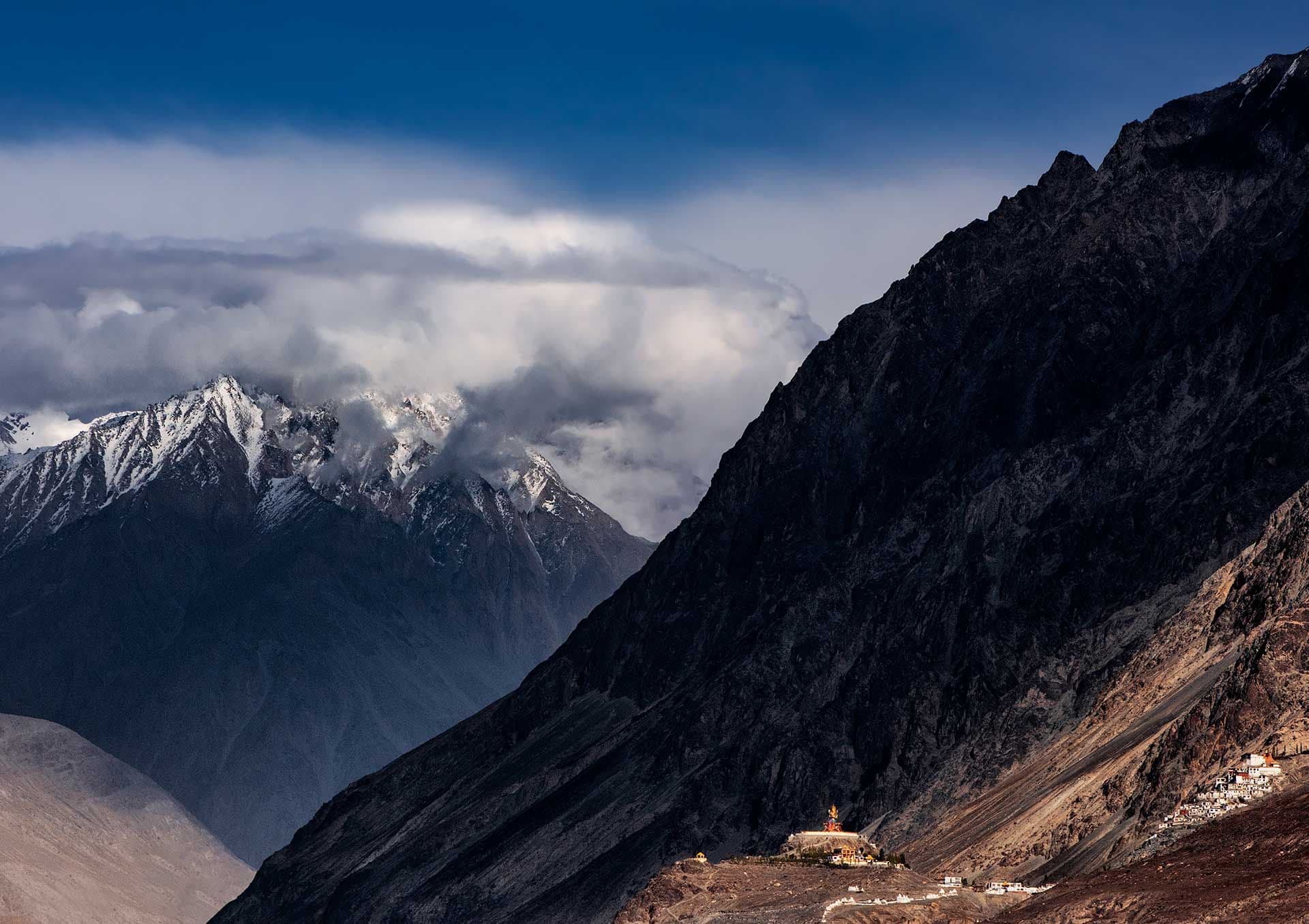
Ladakh, Mexico, and Cuba each left a mark, with their vivid cultures and emotional richness. But if I had to name one place in Indonesia, it would be Bali. There, I felt a quiet spirituality, in incense smoke, small ceremonies, and in the breath of nature itself.
13. If not photography, what would you be learning or exploring right now?
I’d probably be studying philosophy or contemplative practices like Stoicism or Japanese concepts such as Ikigai and Wabi-sabi. I also enjoy reflective writing, not as literature, but as a way to process my inner journey. Beyond photography, I believe we’re all learning to be present and grateful.
14. How do you see Mahacaraka’s role in supporting photographers, especially those exploring cultural and documentary work?
Mahacaraka didn’t just take me far, it helped me look deeper. They’re not just travel facilitators; they shape perspectives. From street photography in Morocco to building cultural narratives in Ladakh and Peru. It’s all been part of my transformation.
Through Mahacharitra, their publishing arm, I found a platform for ‘Dialektika’. Under Andang Iskandar’s curation, I reinterpreted my archive as visual dialogue. For me, it’s proof that Mahacaraka nurtures not just output, but the process, with a deep respect for honesty and depth.
15. If you could choose just one photograph from your journeys with Mahacaraka that encapsulates your experience, what would it be and why?
It would be a quiet yet profound photo, a portrait of a man in Peru, caught in the morning light. It’s not loud, but invites you into stillness. That’s when I feel most honest, not trying to impress, just being present and listening.
16. Was there a specific moment during your travels with Mahacaraka that felt transformative, visually or personally?
Yes. The moment I stopped chasing “results” and started photographing with full presence. I realised the best images aren’t always the most perfect, but the most honest. These moments happened in many places. Each one taught me that photography is a way to discover the self, the world, and even the divine, all at once.
Flora Rikin’s journey reminds us that photography, at its core, is not about perfection. It’s about presence. Her work, shaped by silence, empathy, and honest reflection, challenges the notion that impactful art must shout to be heard. Whether photographing spiritual rituals in Bali or quiet moments in Peru, Flora sees with a heart attuned to nuance and meaning. Her story is a powerful call to embrace lifelong growth, to honour the unseen, and to use our own lenses, literal or metaphorical, not to impress, but to connect. In a world of noise, her quiet gaze leaves a lasting imprint.